
Is Neuromarketing Relevant for Your Business?
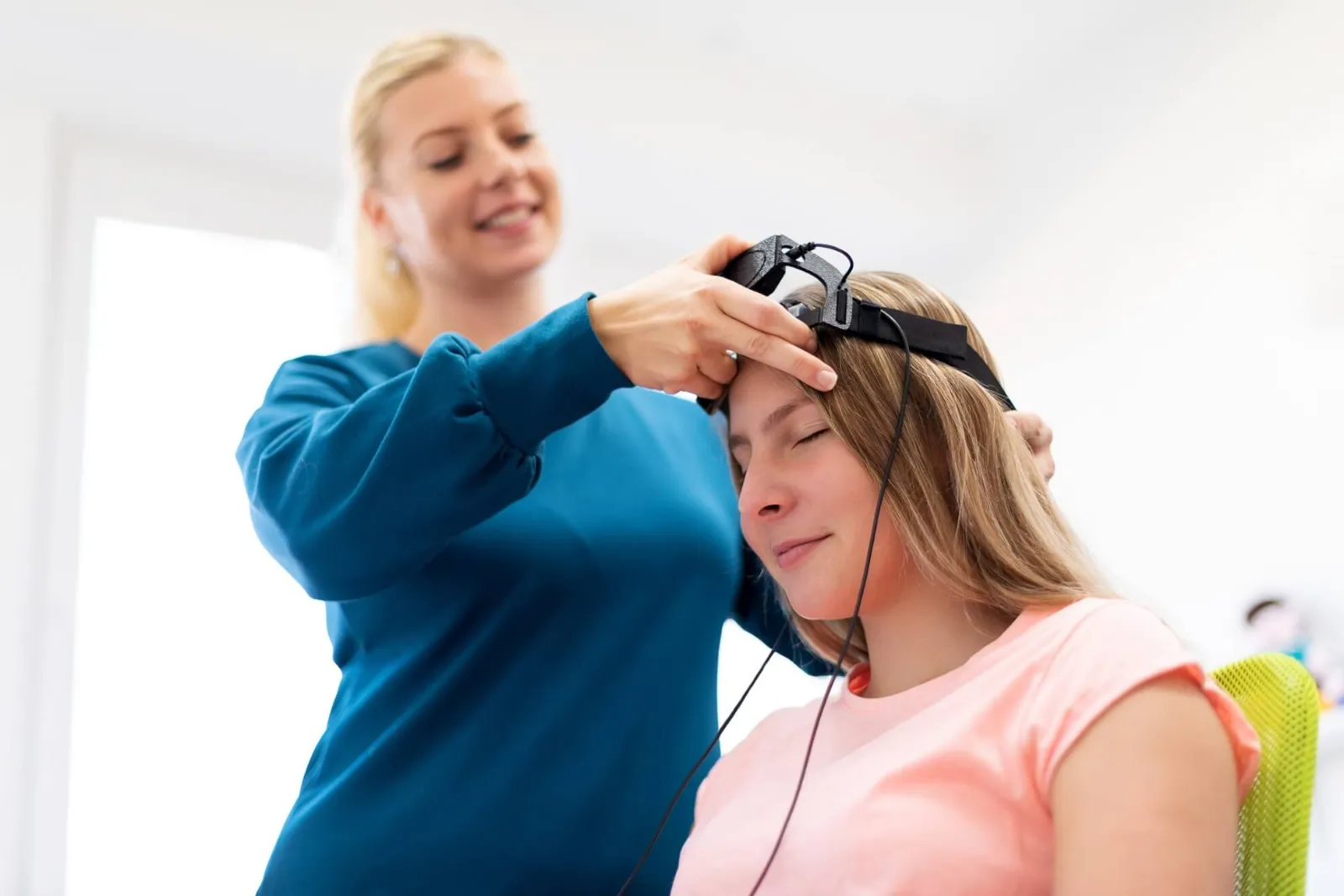
Being able to predict and interpret purchasers’ behaviour derived from their psychological reactions has always been a challenge for marketers. Asking people to be wired up to technologies like Electroencephalography (EEGs) and attempting to read consumer’s brainwaves has always seemed a little out of the box.
Neuromarketing is a commercial marketing communication field that applies neuropsychology with market research. Studying consumers’ sensorimotor, cognitive, and affective responses to various marketing stimuli.
Significant interest in this topic rose in the mid-2000’s when Emory University researched consumers of Coca Cola and Pepsi using a FMRI (functional magnetic resonance imaging) machine. Researchers recognised a consistent neural reaction when the cola brands were not identified. However, when customers saw the branding, the limbic system of their brains (an area associated with emotions, memories and unconscious processing) displayed increased activity. This study showed how awareness of the brand changed how the brain perceived the product.
Although, there was interest in this study along with similar studies, for the next decade or more, interest in neuromarketing science declined. The position of neuromarketing was summarised adequately by a UC Berkley professor Ming, in an article in 2017. Ming stated, “neuroscience either tells me what I already know, or it tells me something new that I don’t care about”.
Some Years Later
Mistrust in science is fading, widely due to two main factors. One, being the accuracy in technology which has progressed rapidly and is validating some of the claims that were made earlier by researchers and supporters. There have also been huge developments in technology to help aid in informed decisions, creative advertising and new product development.
Secondly, many large corporations are warming up to the idea of neuroscience. The latest academic studies have indicated that brain data can foresee the success of products more reliably than other conventional tools. For example, focus groups and surveys. The price for product development is huge and this is what is influencing companies to take a much closer look at the potential of neuroscience for marketing and product development.
British Exploration
In reply to the expanding commercial opportunities for UK companies, a key Birmingham based marketing agency has formed an alliance with Aston University’s world renowned Brain Centre to create functional neuroscience tools for businesses.
The new scheme is funded by Innovate, the UK’s Knowledge Transfer Fund (KTP). The KPT scheme is the biggest award ever secured by Aston University and the scheme will be initiated by two committed PhD researchers, assisted by academics from neuroscience, data science, psychology and cognition marketers.
Scientific Approach to Marketing
The first stage of the scheme is focused on the evaluation of the Electroencephalography (EEG) technologies and their prospective applications for advertising, product design and cost. Leading this stage of the project is EEG scientist Georgia Alexandrou.
Ms Alexandrou has a substantial amount of experience in the role of EEG technology, specifically in sports psychology.
The team is partaking in a paradigm test utilising key trigger points on a variety of product cost positioning factors. The study is identifying patterns from brainwaves being gathered from the EEG technology. These results will be evaluated by data scientists led by Dr Sylvia Wong in the university’s computer science department.
Should Companies Consider Neuromarketing?
In conclusion, neuromarketing has enormous potential within the marketing industry. It has the ability to give marketing consultancies and businesses the ability to access prospects’ reactions and preferences on a neural level.
It is important to note that careful context-driven strategy analysis, development and implementation are vital for its success.
Additionally, ethical guidelines need to be observed and adhered to in order for the data to be accurate and prevent malicious manipulation of customers’ choice.
If used correctly, neuromarketing could, with time, contribute to establishing one of the most powerful marketing tools in existence.
Is your company facing some large choices in creative advertising spend, cost strategy or new product development? If the answer is yes, give us a call today!
Our number is 0203 150 0565 or drop us an email info@stefaniegrant.com. We look forward to hearing from you.